San Pedro de Atacama: Altitude, Scale, and Realistic Expectations
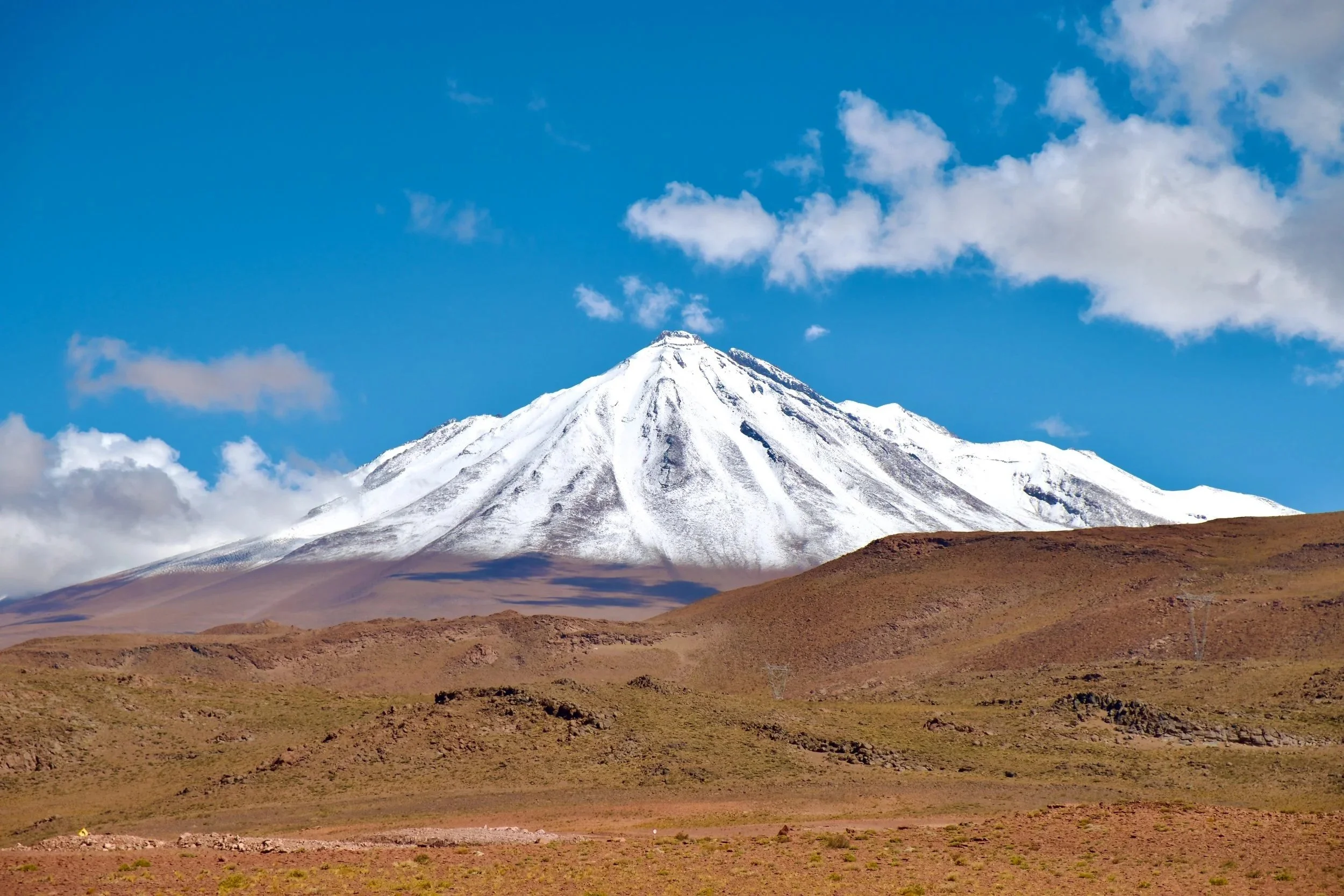
The Atacama looks the way it does because nothing softens it.
The light is sharp, the air is thin, and the geology has not been weathered into approachability. Lagoons appear chemical-blue against pale flats. Volcanoes rise without foothills. Roads cross terrain that, photographed, would not be believed.
The visual case for the Atacama makes itself. The case worth making is the practical one — the conditions, distances and pacing decisions that determine whether the experience lands or exhausts.
Altitude is the variable that defines everything
San Pedro de Atacama sits at around 2,400 metres. Manageable.
The excursions are not. Many of the region's signature outings — the high-altitude lagoons, the El Tatio geyser field — climb well past 4,000 metres, and the effects are felt by travellers who handle base elevation comfortably. Headaches, breathlessness, slowed reflexes and disrupted sleep are common rather than exceptional, and they arrive most often on the second or third excursion rather than the first.
Two practical decisions follow. Build in an arrival day with no excursions. And alternate higher-altitude outings with lower ones rather than stacking them.
The scale of the desert is wider than it reads
San Pedro is a small adobe town. The desert around it is enormous.
It is easy to look at an itinerary listing five sites and assume they sit close together. They do not. Drives between excursion points routinely run an hour or more in each direction, and a “full day” rarely means a full day spent in landscape — much of it is spent in transit.
This argues for fewer outings, not more. Two excursions a day, separated by a meal in town and recovery, generally produces a more complete experience than four. The desert is overwhelming by design; restraint in scheduling preserves its impact rather than diluting it.
The weather is rarely what's advertised
The Atacama is the driest non-polar desert on earth. This is true on average, and not always true on the day you arrive.
Cloud cover is more common than the photographs suggest. Heavy rain is unusual but not impossible, and when it occurs, road closures and access restrictions to certain lagoons follow. Temperature swings between sunrise and afternoon can exceed twenty degrees, and UV at altitude reaches levels most travellers are simply not prepared for. Sun protection is not precautionary here. It is structural.
Self-driving is more flexible than it first appears
The default assumption is that the Atacama requires guides. It rarely does.
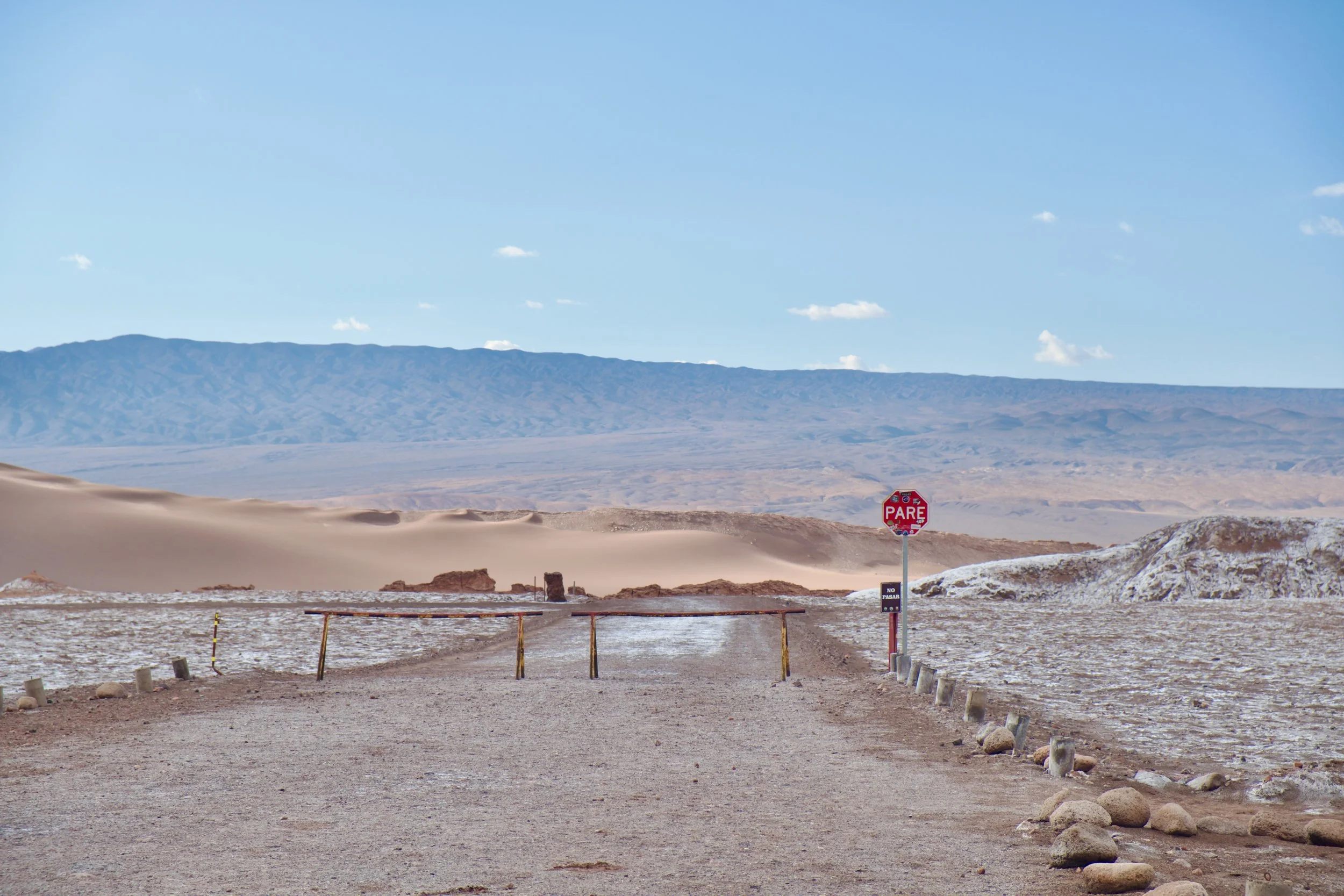
Valle de la Luna. Some roads in the Atacama close without notice — one reason self-driving rewards flexibility over fixed plans.
Roads are well-maintained, signage is reliable, and the major sites — Valle de la Luna, Laguna Cejar, the lagoons of the Salar de Atacama — are straightforward to reach independently. Driving allows the schedule to flex around energy and weather, and it allows for visits at quieter hours. Sunrise at the salt flats is meaningfully different alone than with a coach group.
That said, El Tatio at four in the morning is one of the few outings genuinely better with a guide. And travellers uncomfortable on remote roads or at altitude should not feel pressed to drive.
Where to stay
Accommodation in San Pedro skews toward design-led, low-rise properties built into the landscape rather than imposed upon it. The aesthetic is rustic-modern rather than traditional luxury, and the better lodges treat their setting with restraint rather than competing with it. Our Habitas Atacama is one of the properties we most often arrange here — small, low-profile, and quietly aligned with the desert's tonal palette. The result, for guests, is generally quieter and more atmospheric than a more conventional resort.
Who finds the Atacama worth the effort
Travellers drawn to landscape, photography and visually unusual environments. Those willing to plan around altitude rather than against it. Anyone interested in what the planet looks like when nothing has been allowed to soften it.
The Atacama is not difficult, exactly. It is unforgiving of unrealistic assumptions. Treated with respect — for the altitude, the distances, the weather, and its sheer scale — it offers some of the most striking landscapes available anywhere in South America.
The Atacama rewards thoughtful planning around altitude, distance and pacing more than most destinations. We arrange travel here regularly and welcome enquiries from travellers considering a journey.