A 9-Day Egypt Itinerary: Cairo, Luxor & a Nile Cruise
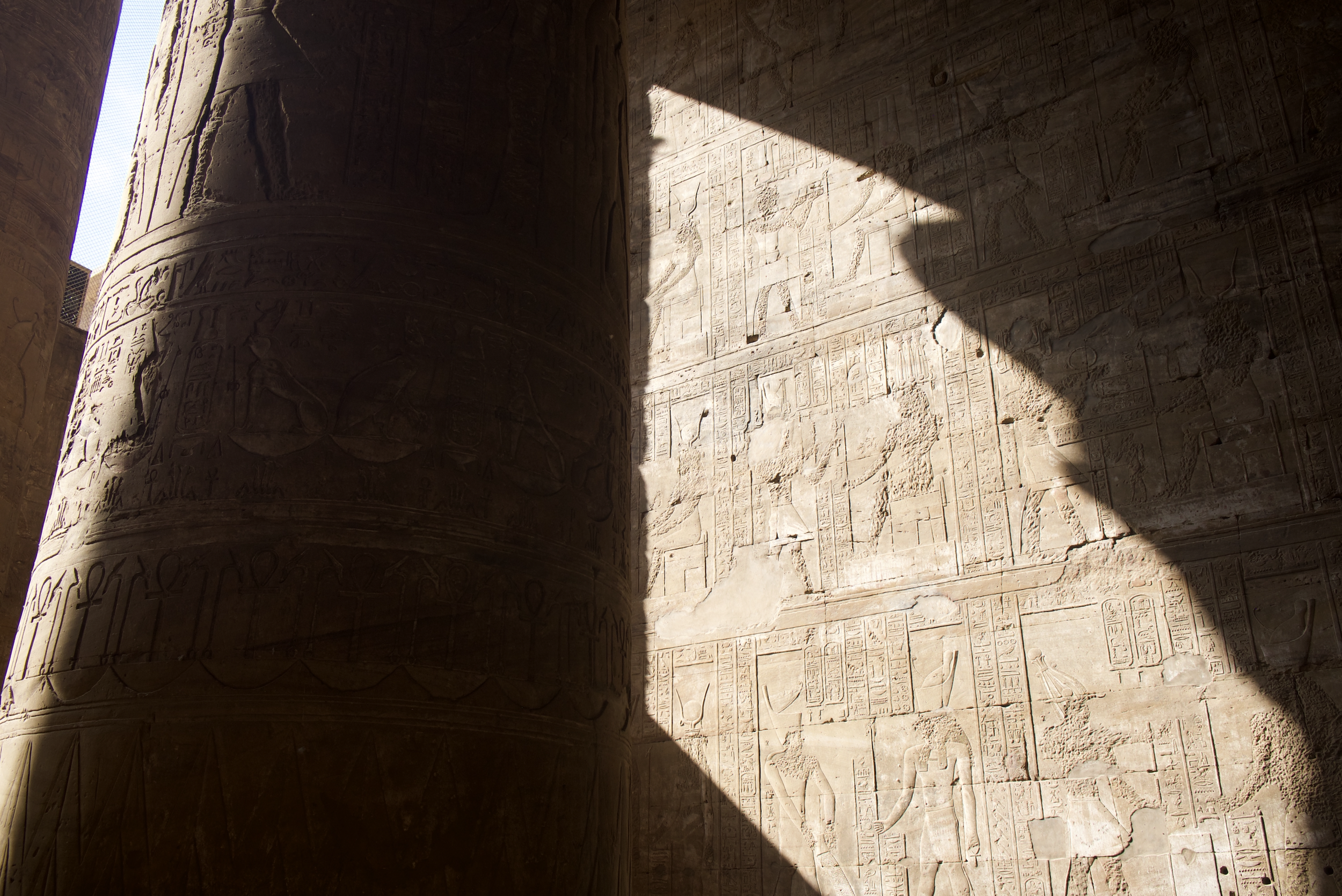
Egypt does not arrive at a single tempo.
Cairo is loud, kinetic, and densely layered. The Nile runs at a pace that has not changed materially in centuries. The cleverness of an Egyptian itinerary lies in the rhythm between the two: neither Cairo for so long that the city becomes wearing, nor a Nile cruise so structured that the country's intensity disappears entirely. Done well, the contrast is the experience.
This nine-day itinerary balances the two. It works for first-time visitors who want the canonical sites — the pyramids, Karnak, the Valley of the Kings — without the relentless pace that often accompanies them. It is also written with a quiet preference for boutique vessels over large ships; more on that below.
Cairo (3 nights)
Cairo rarely matches preconception. The first thing to recalibrate is scale.
The pyramids are not “near” the airport. The Egyptian Museum is not a short walk from the Khan el-Khalili. Cairo extends for tens of kilometres in every direction, and traffic moves on its own timetable. Three nights gives time for the Pyramids of Giza, the Great Sphinx, the Egyptian Museum (or, increasingly, the Grand Egyptian Museum at Giza), Old Cairo, and a meal or two without the day collapsing into transit.
Two practical notes. First, entering the Great Pyramid is not the gentle pilgrimage some travellers expect: visitors should be prepared to face narrow passages, stagnant air, and a continuous queue that allows little contemplation. The exterior, the surrounding plateau, and the Sphinx itself often deliver more lasting impressions. Second, a knowledgeable Egyptian guide is genuinely valuable here. Less for historical interpretation than for the day-to-day frictions of moving through Cairo with composure.
Cairo is host to many high-end international hotels. Many visitors find the Fairmont Nile City to be a suitably comfortable refuge to call home during their time in Cairo. We’d also recommend the Kempinski Nile Hotel as a more elevated option, featuring the classic luxury touches that frequent travellers will be accustomed to from this brand.
The flight to Luxor
Cairo to Luxor by air takes about an hour. The shift, on landing, is more dramatic than the distance suggests.
Luxor is calmer, smaller, and almost entirely organised around its archaeology. The first afternoon at Karnak — a temple complex on a scale few travellers anticipate — establishes the second register of the trip.
A Nile cruise: Luxor to Aswan (4 nights)
The cruise is the structural centrepiece, and the indisputable must-do of those visiting Egypt.
Done at the right scale, it is among the most restful stretches of any Egyptian itinerary. Days alternate between site visits — Karnak, Luxor Temple, the Valley of the Kings, Hatshepsut, Edfu, Kom Ombo, Philae — and meaningful time on board, drifting past riverside life that has not changed substantively in living memory.
The vessel matters more than most travellers anticipate, and a smaller boutique boat changes the experience in ways that are difficult to overstate. We typically would recommend smaller vessels with the calm, attentive cadence the Nile rewards. Larger ships work for travellers who enjoy the social density of cruise life, but for travellers drawn to quiet, to thoughtful service, and to a less programmed atmosphere, the boutique format is the better fit.
Aswan (1 night, optional Abu Simbel extension)
Aswan is a softer landing than Luxor. It is the end point for most Nile cruises, and many visitors opt to spend a night here after their river journey ends to take in this city.
The city has its own rhythm — slower, less archaeologically saturated, with the Nile broadening into something almost lake-like. Most cruise itineraries deliver guests here at the end of the four-day route. A final night at a Nile-facing hotel works well before flying back to Cairo.
For travellers willing to add a day, Abu Simbel — the rock-cut temples relocated in the 1960s as Lake Nasser flooded their original site — sits roughly three hours south. It is one of the few additions to a nine-day itinerary that consistently justifies itself.
Aswan's accommodation landscape is narrow — the city's size does not produce many serious options at the upper end. Of those, the Old Cataract by Mandarin Oriental is the clear choice. The property has been operating since 1899, on a sandstone bluff above the Nile, and the sense of place is unforced rather than performed. Service is calm. The architecture carries its history without leaning on it.
Final night in Cairo
A single closing night in Cairo, ideally at a hotel with views of the river or the pyramids, allows for an unhurried morning before departure. Some travellers use it to revisit a museum, a souk, or a meal they did not have time for at the start.
What this itinerary deliberately omits
Alexandria, the Red Sea coast, and the White Desert all justify their own reasons to come. None fit comfortably into nine days alongside Cairo and a Nile cruise. Trying to include them tends to dilute rather than expand the trip.
Logistics worth knowing in advance
Egypt rewards structure. Independent travel is technically possible at most major sites, but the friction it introduces — informal pricing, persistent vendors, navigation through unfamiliar systems — meaningfully reduces the experience. A capable local guide is not a luxury here. It is the difference between a journey that feels demanding and one that feels exhilarating.
A nine-day Egypt itinerary, planned with that in mind, delivers the canonical sites without the exhaustion that often accompanies them — and a quieter, more reflective passage along one of the world's defining rivers.
Egypt is a destination where thoughtful planning fundamentally shapes the experience. ALTEZA can assist with itinerary design, logistics, and navigating the practical realities of travel in the region.