Chile in 14 Days: Santiago, Atacama, Patagonia & The Lake District
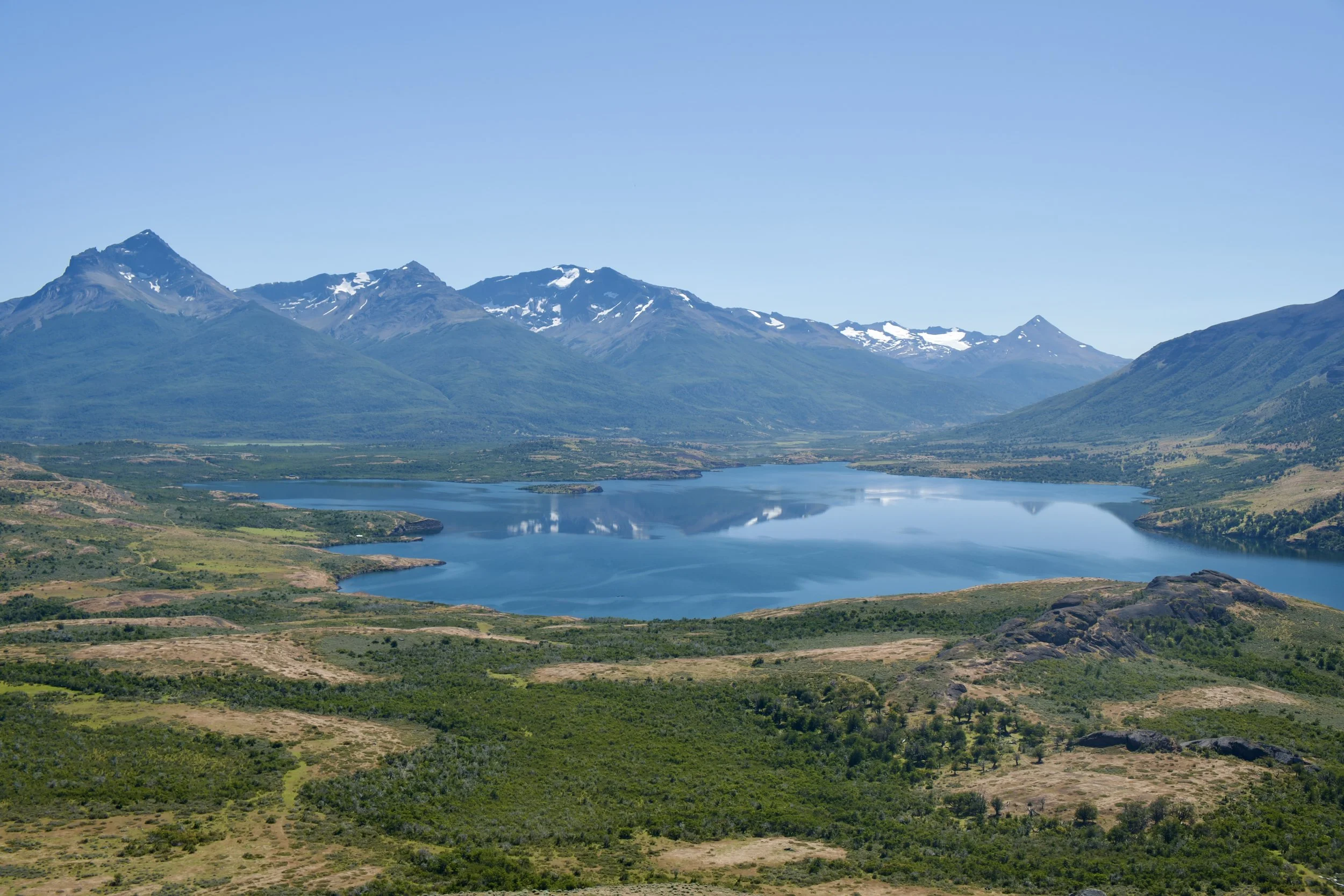
Chile asks travellers to make peace with distance.
The country runs more than four thousand kilometres from the Atacama in the north to the southern reaches of Patagonia, and the gap between its landscapes is not only geographic but tonal. A desert here looks nothing like a desert anywhere else. A forest in the Lake District has nothing in common with the steppe at the edge of Torres del Paine. Move between them too quickly and the trip blurs. Move between them with intention and the contrast becomes the point.
This itinerary is built around that idea: pacing as design.
Over fourteen days, it threads Santiago, the Atacama Desert, Chilean Patagonia, the Lake District and central wine country into a sequence that allows each region to register before the next begins. It suits first-time visitors who want range without exhaustion, and travellers drawn to landscape-led journeys.
Santiago: A Soft Landing (2 nights)
Santiago does not demand attention. It earns it by easing the transition into Chile.
A two-night stay in Las Condes, the city's most composed district, gives the body a chance to recover from a long-haul flight and the senses a chance to acclimatise. The city's dining scene rewards the curious — Peumayen Ancestral Cuisine and Bocanariz both worth the reservation — and Santiago's quiet abundance of green space makes the first morning unexpectedly restorative.
The role here is not to see everything in Santiago. It is to land softly.
San Pedro de Atacama: Visually Extraordinary (3 nights)
The Atacama is closer to a geological rendering than a recognisable desert, with red valleys, mineral lagoons, salt flats, volcanoes rising sharply from otherwise vacant terrain.
Three nights in San Pedro is the minimum needed to absorb the shift. Excursions climb to altitudes well above the town (upwards of 4,000 metres above sea level), and pacing matters: two longer outings paired with a recovery day produces a far better experience than a relentless run through every named site. The region is overwhelming by design and can be taxing on the human anatomy. Restraint in scheduling preserves its impact.
It is also worth setting realistic expectations on weather. The Atacama is famously dry, but cloud cover, occasional rainfall and dramatic temperature swings between morning and evening are real considerations.
Puerto Natales & Patagonia: Cinematic, Elemental (4 nights)
Patagonia is the trip's centre of gravity.
Four nights based out of Puerto Natales — a small, quietly charming gateway town — provides time for a visit to the Torres del Paine National Park itself, lower-altitude walks outside the park, and the kind of estancia experience that gives Patagonia its specific texture. Estancia La Península is the standout for many travellers: horseback riding across open terrain, an asado-style lamb lunch, a sense of the region beyond its famous silhouettes.
Wind, more than weather, is the variable to plan around. It shapes the difficulty of even short walks and determines how the days flow.
Puerto Varas & the Lake District: A Change of Pace (3 nights)
After Patagonia's intensity, the Lake District functions as recalibration.
Puerto Varas sits on Lago Llanquihue with volcanoes framing the horizon, and the rhythm here is gentler: short drives, soft landscape, less physical demand.
Most visitors find time to visit Frutillar, a nearby town that remains visibly framed by the German settlers that once dominated the area. Others who still yearn for hiking and time spent in nature after their visit to southern Patagonia may choose to visit the Osorno Volcano.
Three nights is enough to shift gears before the trip's final movement.
Hotel Casa Real — Wine Country, Closing Note (1 night)
Within the historic estate of Viña Santa Rita, an hour from Santiago, Hotel Casa Real offers a deliberately different register. Stately architecture, expansive grounds, a wine programme treated with seriousness. After two weeks of landscape, an evening here lands as a quiet, cultivated finale.
Final Night in Santiago
Las Condes, again, for the symmetry. A reservation at Estro Santiago, an early flight, and the journey ends.
What's left out — and why
Valparaíso is the most common omission. It is a beautiful city, but adding it sacrifices time in Patagonia or the Lake District without producing a more coherent journey. Trade-offs of this kind generally improve trips rather than diminish them.
Chile rewards specificity over breadth. Designing the itinerary around fewer, longer regional immersions is what allows the country's contrasts to register fully — and why, after fourteen days, the trip feels composed rather than catalogued.
Designing a Chilean journey on this scale is, ultimately, an exercise in trade-offs and pacing. ALTEZA arranges itineraries of this shape regularly — we welcome enquiries from travellers considering one.