Hotel Spotlight: Four Seasons Resort Langkawi
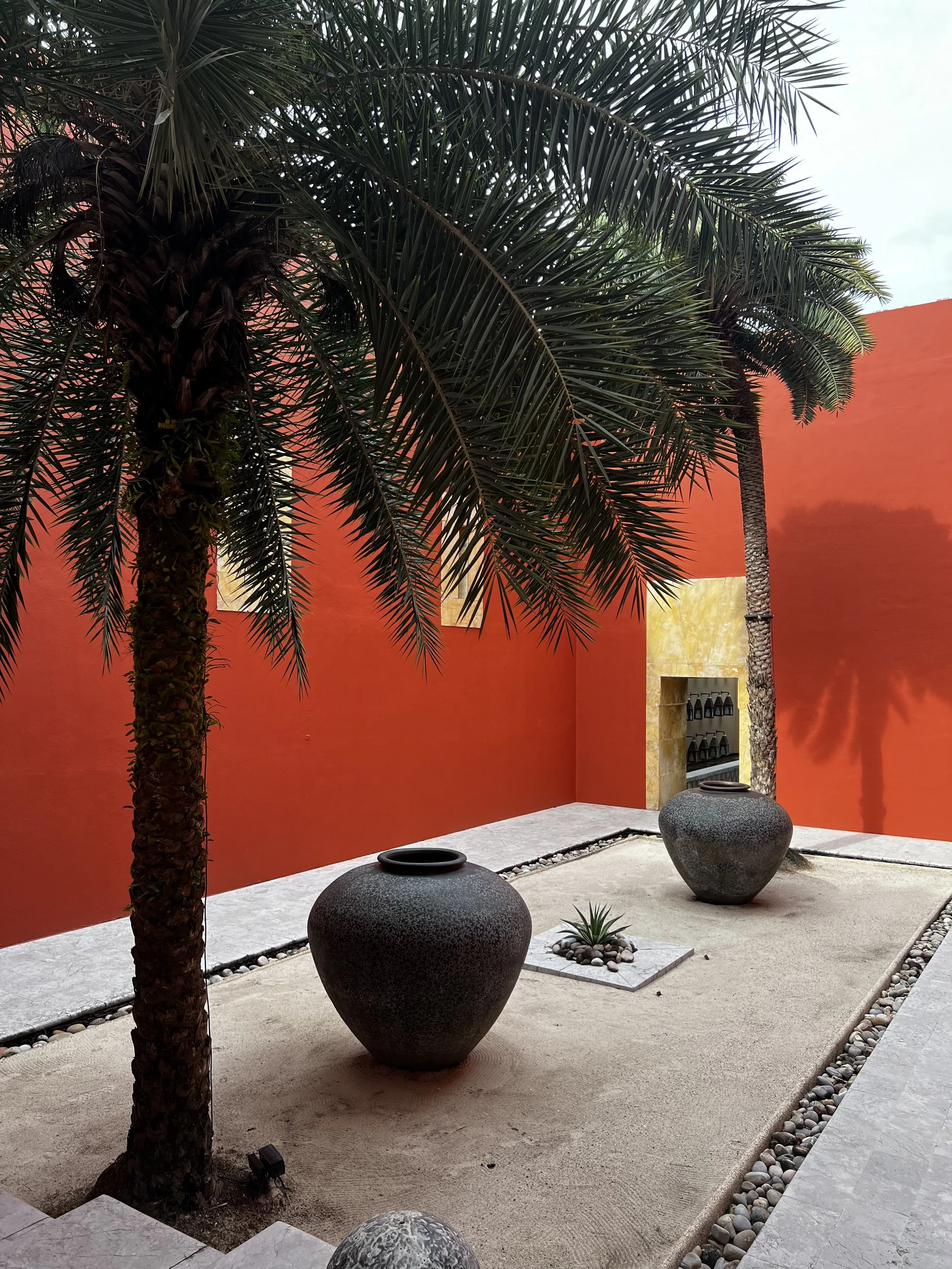
The first thing a guest registers at Four Seasons Langkawi is what is missing.
There is no entrance arrival flourish — no scripted greeting, no orchestrated arrival sequence designed to register as luxury. The driveway is restrained. Reception is open to the air. The first sound, after the door of the airport vehicle closes, is the property itself: birds, breeze through the foliage, the distant push of waves against a beach not yet visible.
The omission is deliberate. It is also the property's signature.
The Langkawi context
Langkawi is one of the more curious resort destinations in Southeast Asia.
The island sits off Malaysia's northwestern coast, a duty-free archipelago of forested limestone formations and quiet beaches that has, for decades, attracted a particular kind of traveller — typically one who has tired of louder Southeast Asian destinations and is looking for a quieter alternative. The atmosphere outside the resort gates matches this. There are no club districts, limited nightlife, and a pace of life that is genuinely tropical rather than performatively so.
Four Seasons Langkawi sits within that context, on a private stretch of beach at the northern end of the main island. The setting is everything its surroundings imply.
A property built into its landscape
The architecture is nominally pavilions and villas, but the more useful description is integration.
Buildings sit beneath rather than above the canopy. Pathways wind through dense planting that has clearly been cultivated for decades. The pool decks are not hard-edged platforms but quiet clearings. There are several distinct accommodation types, and the design sensibility across all of them favours generous interior space, large verandas designed for actual use rather than gesture, and outdoor showers in many categories.
The result, walking the grounds, is closer to a refined resort village inside a forest than a conventional five-star resort.
The tempo
The defining characteristic of a stay here is decompression.
Days do not so much pass as widen. A morning spent on the veranda with coffee and a book becomes the morning. The standing decision of where to have dinner becomes the day's most demanding question. Spa appointments, a swim, a long lunch, a quiet dinner: this is the structure that emerges naturally on the third day.
For travellers arriving from sustained work intensity, the pace can be initially disorienting. Most adjust by the second morning. By the end of the stay, many describe the slowness as the property's most luxurious offering.
Service signature
Four Seasons' service style is well-known in the industry, but it expresses differently across properties. Langkawi's signature is restraint.
Staff appear when needed and recede when not. Requests are remembered without performance. The technological layer that newer Four Seasons properties lean on is present, but quietly — a discreet messaging channel rather than a visible interaction. The interpersonal quality is unforced; the warmth feels personal rather than scripted.
The combination produces a particular kind of service experience: present without proximity, attentive without intrusion. It is not the tightly choreographed performance some traditional luxury hotels favour, and it suits the property's setting.
The dining
Breakfast is the quiet headline.
The morning spread is one of the more thoughtfully composed breakfast experiences in Southeast Asia, with regional ingredients prepared at a level of care unusual at hotel scale. Those with a sweet tooth should try the à-la-carte pandan toast, which brings a Malaysian flair to a classic french toast. Lunch tends toward casual, often by the pool. Dinner moves between the resort's restaurants depending on the evening — a slower beachside option for unhurried meals, a more substantial Malaysian-leaning kitchen for travellers wanting to engage more deeply with regional cuisine.
Quality across the venues is consistent. The strength of the breakfast is, however, what most guests cite first afterwards.
Who comes here
Couples and honeymooners, primarily. Travellers in genuine need of rest, secondarily. Older families with grown children occasionally. The property is also increasingly chosen by professionals on extended decompression — the kind of stay that runs eight or ten nights rather than four — for whom the slowness is the point.
It is not, principally, a stop on a multi-destination Southeast Asian itinerary. It is a destination that justifies its own arc.
What the property is not
It is not the right choice for travellers seeking high-energy resort life, animated dining scenes, or active nightlife. It is not the choice for travellers who want a property to perform luxury at them — there is too much restraint here, too much reliance on natural setting, too little visible signalling.
For travellers who want stillness, deeply considered hospitality, and the rare pleasure of an environment that genuinely allows the nervous system to reset, Four Seasons Langkawi is one of the few properties in its category that fully delivers.
The lasting impression, after a week, is rarely a particular meal or service moment. It is the quiet — and the version of oneself that returned.
Resort selection plays a defining role in shaping the overall travel experience. ALTEZA provides tailored accommodation advisory and itinerary planning services worldwide.