Chilean Patagonia: Scale, Silence, and the Wind
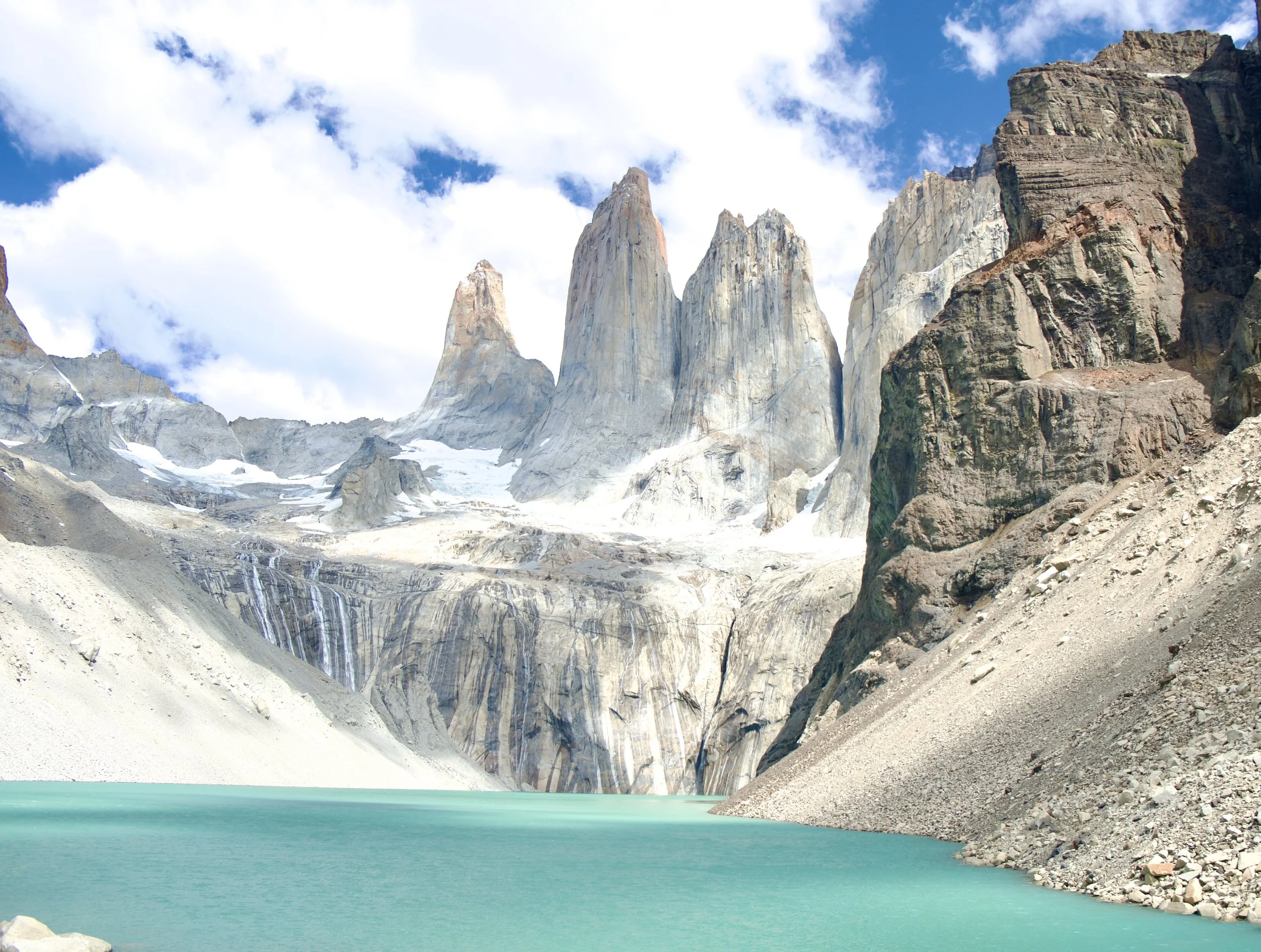
What surprises most first-time visitors to Patagonia is not the landscape. It is the silence.
The horizons in southern Chile widen until reference points disappear, and the absence of background noise — no traffic, no aircraft, no distant city — produces a quiet that takes a day or two to fully register. Once it does, the silence becomes part of the experience. So does the wind. Together, they explain the place better than any photograph.
This is a guide to Chilean Patagonia framed around what the region actually feels like, rather than what it looks like in pictures.
Torres del Paine is one of several reasons to come
The granite towers are the region's defining image. They are also not the whole story.
Torres del Paine National Park is structured around a series of lookouts, lakes and trails, and the most photographed routes — the W Trek, the multi-day O Circuit — are demanding undertakings best suited to experienced hikers. For travellers who want the landscape without the multi-day commitment, lower-altitude walks outside the park boundaries are often the better introduction. They build acclimatisation, manage exposure to wind, and frequently deliver more time alone with the scenery.
A four-night base out of Puerto Natales provides enough time for one or two full park days and several gentler outings without the trip becoming primarily about hiking.
The wind is the variable that shapes the day
Weather forecasts in Patagonia are useful for temperature and almost useless for wind.
Within Torres del Paine, sustained winds of sixty to eighty kilometres per hour are routine, and gusts well beyond that occur regularly. They affect the difficulty of every walk, the comfort of any vista point, and whether a planned outing should happen at all. The W Trek's most difficult sections are not difficult because of distance. They are difficult because of exposure.
Trips that build flexibility around wind tend to be more enjoyable than trips built around fixed itineraries. A morning walk under thirty-kilometre winds is a different experience than the same walk at sixty. Plans need room to move.
Estancia stays change the texture of the trip
Estancia La Península, on a peninsula reaching into Última Esperanza Sound, is the experience many travellers recall most clearly afterwards.
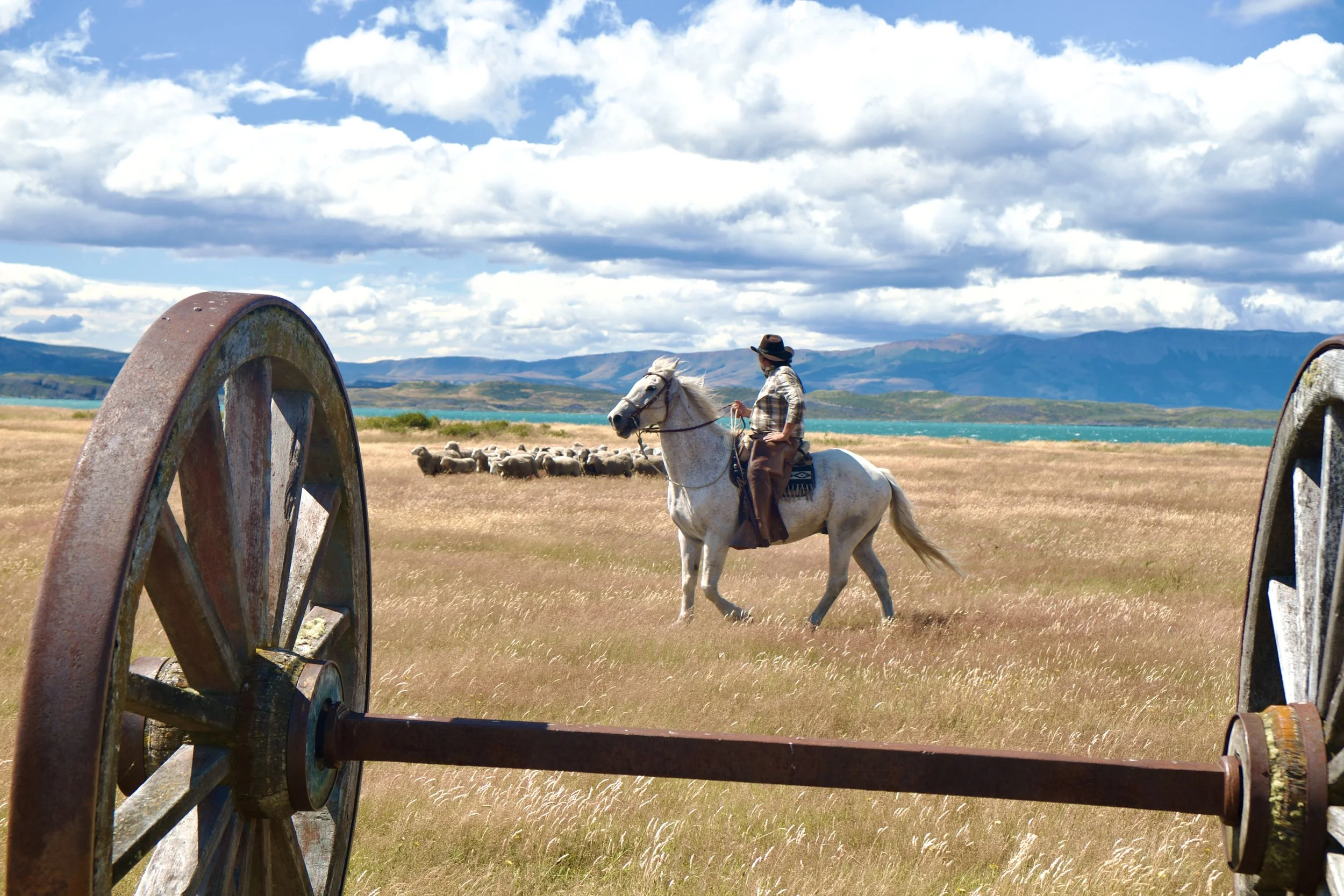
Estancia La Península. The working ranch exists underneath the visitor experience — and the difference is felt.
The activities are familiar — horseback riding, scenic walks, a long, traditional Patagonian asado — but the texture is different from a national park day. There is a working ranch underneath the visitor experience, and the result feels less curated than other Patagonian programming. For travellers used to high-end resort itineraries, an estancia day works as a useful counterweight: a slower, less itemised dimension of the region.
It pairs well with park days. One or two estancia days within a four-night Patagonia base, alongside park excursions, tends to produce a more textured stay than national-park-only structures.
Puerto Natales is a working town, not a destination
Puerto Natales is the gateway, and it has the unusual quality of being heavily trafficked without feeling overrun.
The town is small, functional, and quietly characterful. There are a handful of good restaurants, a working harbour and a pace that resembles a fishing town more than a tourism hub. Travellers who arrive expecting a polished resort village are sometimes briefly puzzled, then quickly persuaded. The lack of polish is part of why Patagonia still feels like Patagonia.
What to expect physically
Patagonia is more accessible than its reputation suggests. Day-hike difficulty is generally moderate when wind is favourable, and the region accommodates a wider range of fitness and experience than the multi-day-trek imagery implies. Wildlife-focused outings — puma tracking, in particular, with experienced local guides — offer alternatives for travellers less drawn to long walks.
Cold and wet conditions remain real possibilities, even in the southern summer. Layers matter. So does the right footwear.
Who comes back to Patagonia
Travellers drawn to landscape, scale, and the quieter forms of drama. Photographers. Hikers, naturally — but also people who do not consider themselves hikers, and discover here that they are.
Patagonia rewards travellers who treat it on its own terms: vast, exposed, weather-bound, and disinclined to be hurried. Approached this way, it offers one of the few remaining destinations where landscape still organises the day.
Patagonia is one of the few destinations where landscape still organises the day. We design journeys here for clients several times a year and welcome enquiries from travellers considering one.